
I grew up watching Scooby Doo, like many generations of kids before and after me. Every couple of years it gets reimagined, some better than others. We’ve seen Scooby and the Gang unmask many a money hungry adult, hunt down thirteen ghosts, team up with celebrities like Sonny & Cher and the Harlem Globetrotters, cross over with Batman & Robin and Dean & Sam Winchester, meet cousins like Scooby Dum and Scooby Dee (the less said about Scooby’s nephew Scrappy Doo, the better), and even tangle with some supernatural entities from time to time. There’s been spin offs animated and live action and I can’t claim to have seen them all but I did draw great joy watching the face of kids seeing some episodes of the original Scooby Doo – Where Are You? because for all it’s corniness, there’s a solid story framework and archetypical characters that we keep coming back to.
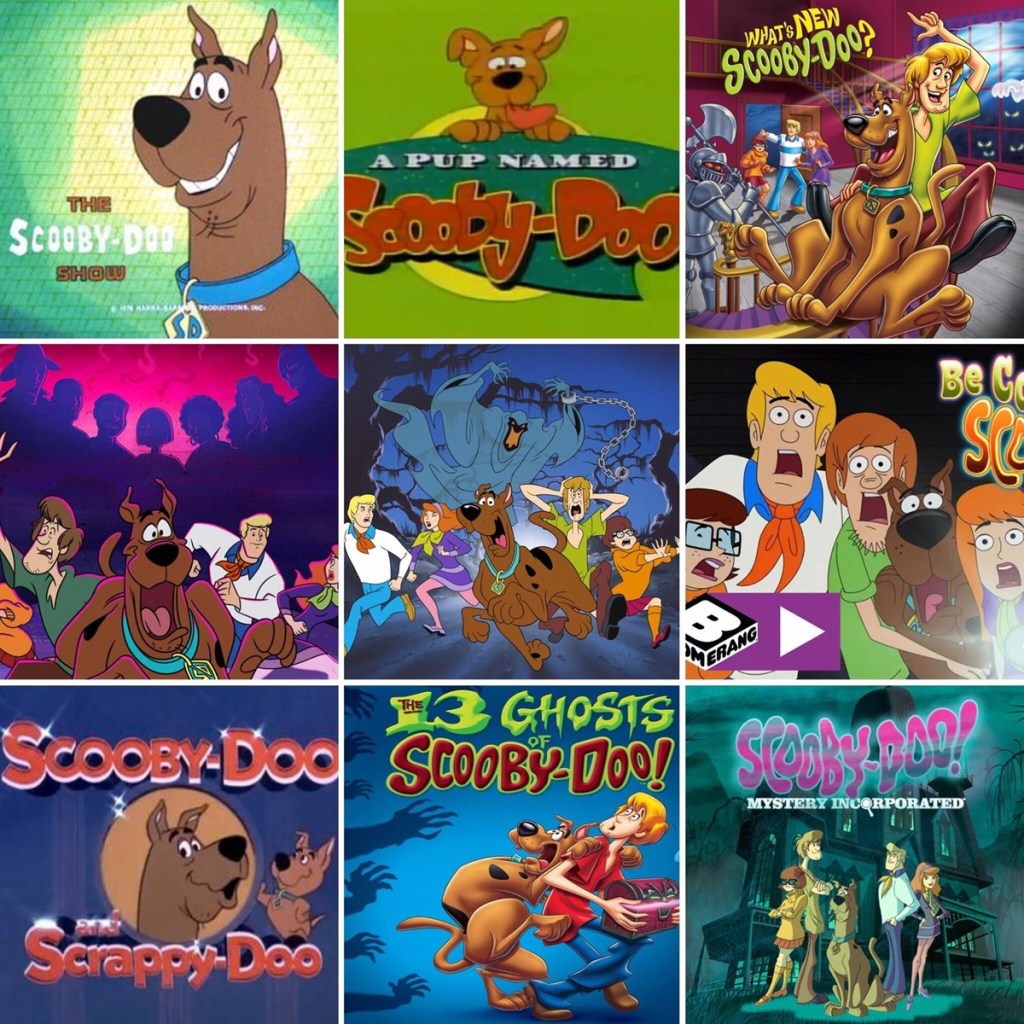
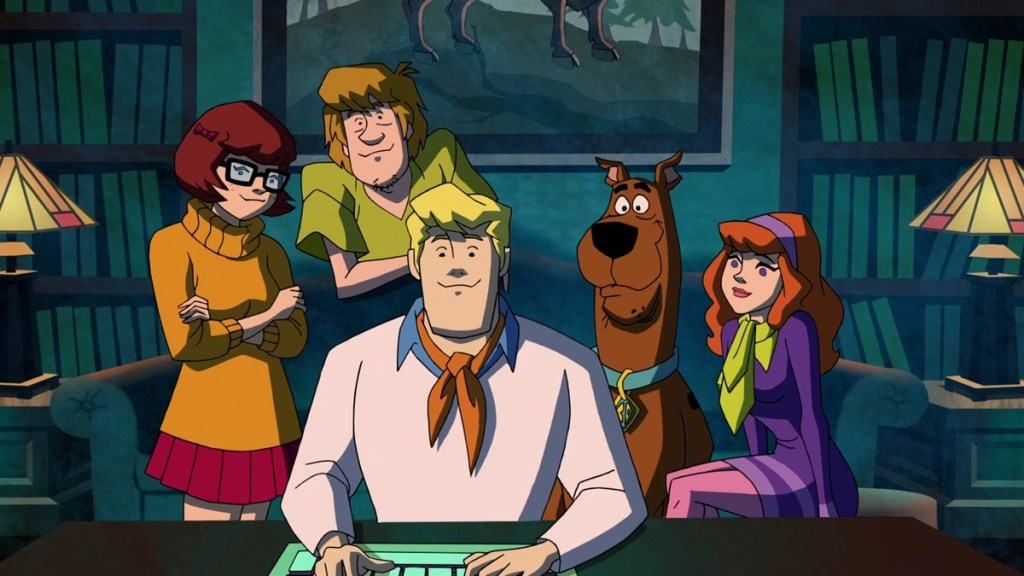
As is often my wont, I throw something light and breezy on in the background while I work on other projects. Scooby Doo Mystery Inc. was far more quality than I expected. More than a few times I paused to take in more than just the formula of clues, red herrings, and final reveal. I’ll confess to checking IMDB a few times to pick out the easter eggs I might have missed.
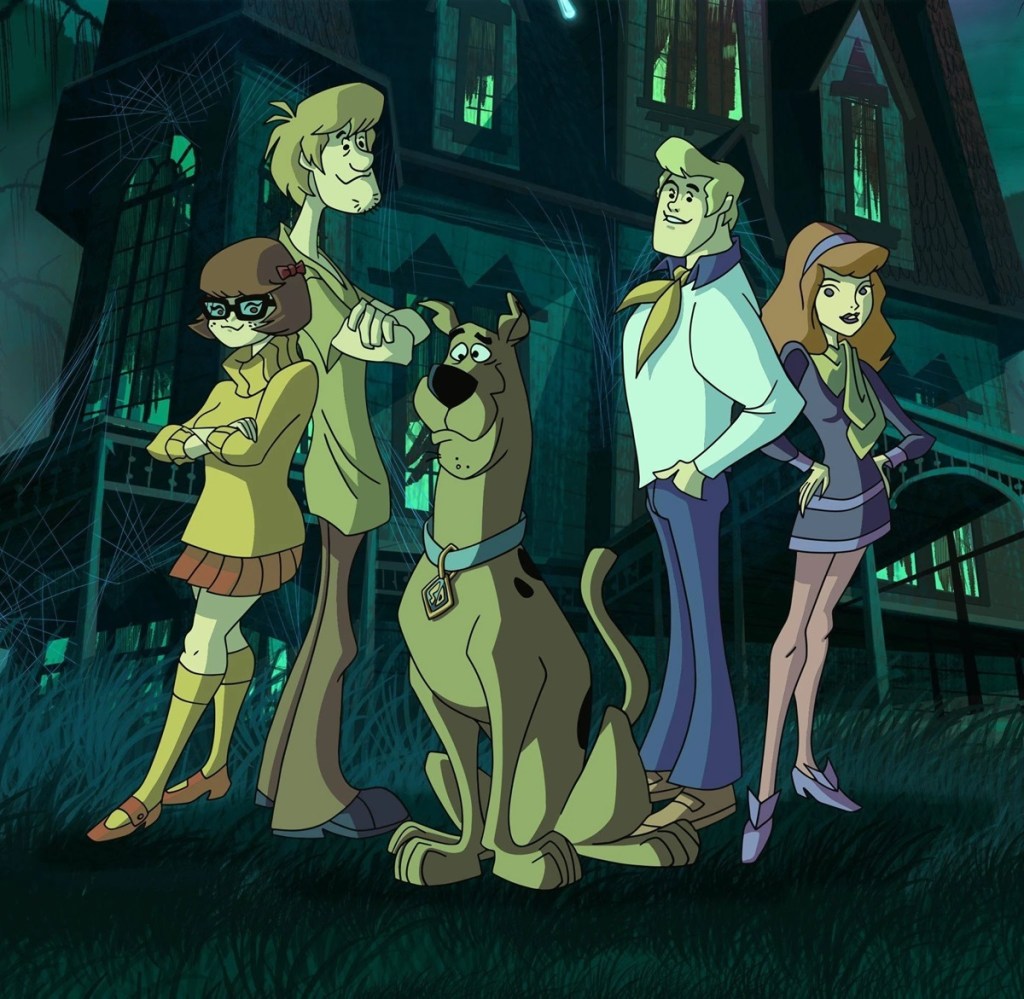
The Gang’s hometown of Crystal Cove, proudly “The Most Hauntedest Place on Earth” according to the signs and billboards, has plenty of nods to classic Scooby lore (like artifacts found in the local museum) and its own share of secrets and conspiracies to be uncovered. it’s that latter part that forms the structure of the season arc. Solving mysteries and unmasking the culprit cover the standard Monster of the Week, but as time goes by pieces begin to fit together that hint at a connection to all the weirdness and even a legacy of others who have done this before them.
There were a few things I had strong negative feelings about, like the relationship between Shaggy and Velma across Season 1. It did set up some character development in Season 2, but to me at least, it felt thrown in there and more than a little forced. Fred was played out as extremely one dimensional with his trap setting obsession, to the point where he almost appears as an idiot savant. He does get some arc with his shifting relationship with his parents and maybe when that disappeared it only left the traps to fill that void.
On the positive side, Daphne has a great arc. She goes from being ‘the pretty one’ (thankfully in this version she’s rarely the Daphne in Distress we saw in earlier incarnations) to an active detective who takes charge of her relationships with others and demonstrates her own cleverness in interpreting clues and setting up plans for the Gang. I’m also a big fan of the numerous easter eggs including voice actors like Linda Cardellini (Thelma in the 2002 live action movie), humorous nods to the adult audience (when posing as a parental couple, Fred tells Daphne to not look so happy – they’re supposed to look married), and several call backs to previous incarnations of the show ( i.e. Vincent Van Ghoul from the 13 Ghosts run appears numerous times, even the Hex Girls make an appearance). Jeffrey Coombs even appears as a H.P. Lovecraft knockoff.
And even with the episodic nature of the show, there’s a definite arc. Connecting everything together is the mystery of why Crystal Cove is the way it is, pieced together over 2 seasons, and how it relates to the long history of mystery solving gangs of the past. Meanwhile, core characters grow and develop and experience the consequences of previous episodes. Even what seems like a throwaway one and done NPC suspect becomes part of the recurring cast of locals.
The series ends after season 2 and that’s probably for the best. The weirdness had ramped itself up to about as high as it could go, the villain in a rubber mask gives way to a true supernatural threat of apocalyptic proportions, but that build up is spread out over the two seasons so when we reach it the shift doesn’t seem that drastic. Plot devices from both seasons get used as things all come together and the Gang must call upon their individual strengths and the strength of their friendships to overcome the Big Bad.
The final scene of the series has the Gang riding off in search of more weirdness and mysteries and I’m kid of glad they didn’t pick up for a third season. We’ve seen the origin story of the meddling kids and their dog, discovered why they travel across the world seeking mysteries to solve and monsters to unmask, and even perhaps why they are weirdness magnets themselves – being drawn to epicenters of the strange and unusual. They didn’t need a third season – we’ve already seen it with all those other adventures from the other Scooby adventure series.
For the Gamer
There are so many mystery themed games out there, Call of Cthulhu being the grand daddy of them all, centered on investigation as more important than combat. Gumshoe has a clue facing mechanic (and there’s Bubble Gumshoe, a very Scooby feeling hack) but Powered by the Apocalypse has so many mystery versions and really plays up that interpersonal relationship aspect –
- Jinkies is literally the Scooby Doo format used by so many Saturday morning cartoons (Jabber Jaws, Speed Buggy, Captain Caveman & the Teen Angels, etc.) of teenage mystery solvers and their wacky companion. The Playbooks include The Leader, The Mascot, The Weird One, The Looker, The Smart One, The Talent, and The Tough One – matching the archetypes of the cartoon mystery show one for one.
- Monster of the Week skew more towards the Buffy the Vampire Slayer and Supernatural format – monster appears, research is done, monster is pursued, and then dealt with based upon the research.
- Brindlewood Bay isn’t cut from the same cloth as these cartoon classics, but it’s still follows a very formulaic mystery structure. In this case, it’s more like Murder She Wrote or Queens of Mystery, featuring matronly amateur sleuths with special moves based on TV detectives. Plus, without giving away too many spoilers – the mysteries are centered around a very Lovecraftian style of cult. The other twist, the clues are used to build the mystery and who the suspect is (shades of Alice is Missing in terms of randomly determined outcomes!) rather than it always being predetermined at the start of the story.
The three best tips I ever encountered for running a mystery RPG
- Write out a list of clues that can be found anywhere that seems appropriate (Sly Flourish).
The players may decide to go to the farmhouse instead of ever going to the library so be prepared for a book with the needed clue to be found under a floor board instead of the library where it made the most sense. - Think of three possible places that clue might be found (The Alexandrian).
That clue might be found in the library, the farmhouse, or speaking with Old Man Witherspoon who remembers it from way back when. It mentally prepares you for flipping that clue to alternate places and with any luck, the players will better notice the clue after hearing it two or more times. - If the clue is needed to progress the plot, the roll to find it shouldn’t be a pass / fail but have some other consequence (not sure where I picked it up, but I’ve seen it repeated in a number of places since).
If the clue is what leads the PCs to the next location to continue the adventure, a failure had better mean something other consequence like a loss of resources (time, hit points, social drama, etc.) or else the plot grinds to a halt while the PCs roll investigation checks for 20 minutes until someone hits the target number. In Blades in the Dark that’s a few segments in a clock that something bad will happen soon and I’ve hacked that into other games as well. Other consequences might be a half found clue – the part that leads them to the next location is there but the part about the hidden well is missed, leading them to be ambushed when they get there. In a Call of Cthulhu game I ran a little while ago, it was “After eight hours, you’ve narrowed it down and have got the title of the book you need but it’s going to take more time to find the information you need in it, do you wish to come back to this tomorrow?” to at least indicate tell them that there was progress but they also didn’t make the roll. - Bonus Tip – Be open to other skills being used to find the clue.
The Jock asks if they can use their brawn / athletics / climb skill to search for clues, then go for it. The difficulty might be higher or the consequences different i.e. using brawn to tear up the floor boards will find the clue but pretty much leave some tell tale signs of the search.
I applied all these to the last Call of Cthulhu game I ran and it really helped me to keep the plot moving. The NPCs the players stuck to that didn’t have the answers according to the scenario let drop enough to lead them to where they needed to go. Information from town records showed up in the library or in the mouth of the retired accountant who lived on the edge of town. You get the idea – spread the clues appropriately so that the mystery can be pieced together and the story continues moving and even a setback that pushes the PCs in a different direction is still movement.
Final Thoughts
I’m glad I watched this incarnation of Scooby Doo and might even lift a few plotlines for a game of Jinkies or Monster of the Week. It was a good mix of characters that I loved since I was a kid, mysteries to be pieced together, and a good use of plot devices to create a season’s story arc. It’s a classic five man band and it works.
Discover more from A Geek for All Seasons
Subscribe to get the latest posts sent to your email.
 A Geek for All Seasons