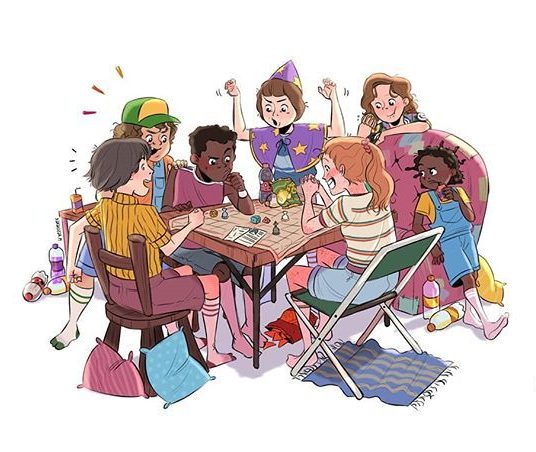
This summer I had the opportunity to plan and deliver a D&D camp for kids (ages 10-14) and it was an experience. I made lots of plans but also had an expectation to wing it where campers zigged while I zagged. So, after a spotlight on an aspect of the game, we dived into an adventure of myself as DM with seven players.
Day one I got to know the kids and we talked some about their gamer origins and what they wanted from the camp. Interestingly enough, Stranger Things was a common touchpoint for their “D&D origin”. A couple had played a little with relatives. Most of them had no direct experience but some of their buzzwords like “spawn point” suggested video game encounters.
We did a quick overview of the classes, the races, and the backgrounds. Between a couple of Player Handbooks (including one that had fallen apart at the spine so quickly became handouts) and some whiteboard overviews, we got by but I had some individual handouts printed off for the next day so that they all had a copy of information that they could keep. The SRD was our primary resource, even for creating quick recaps of racial features and such. Currently I’m working on a document for “If you want to play something (adjective) then play as a (class / race)” for next time, a hard copy of the speech delivered.
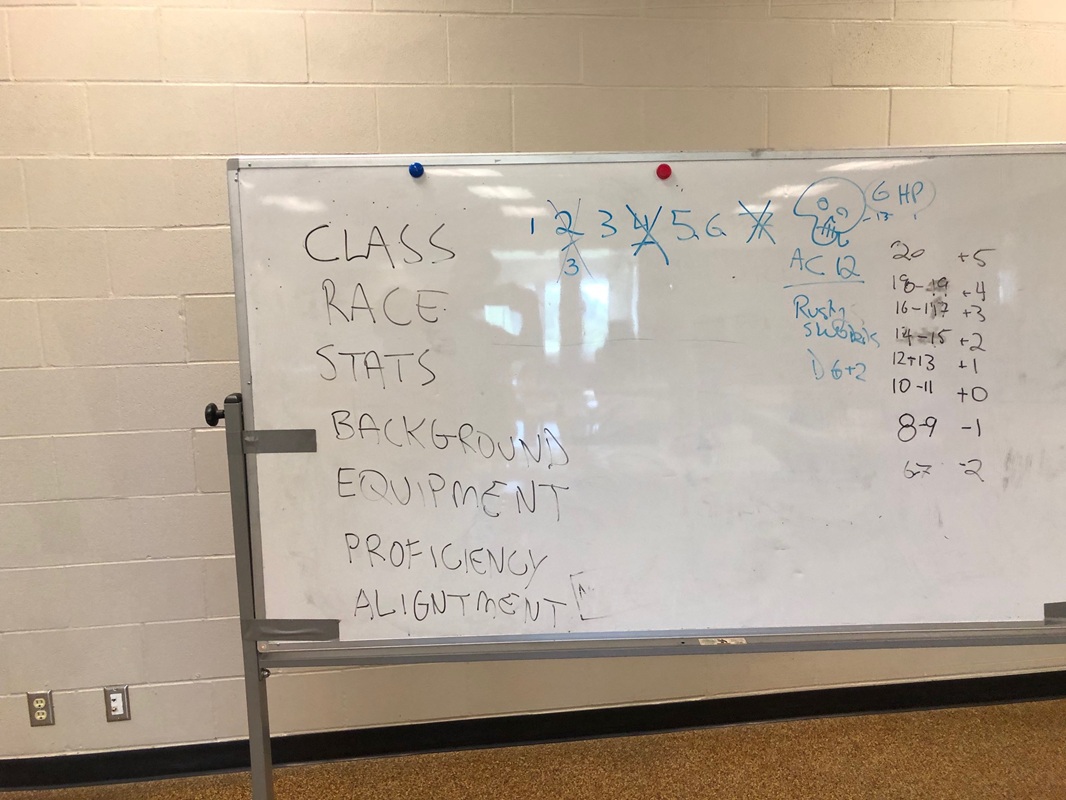
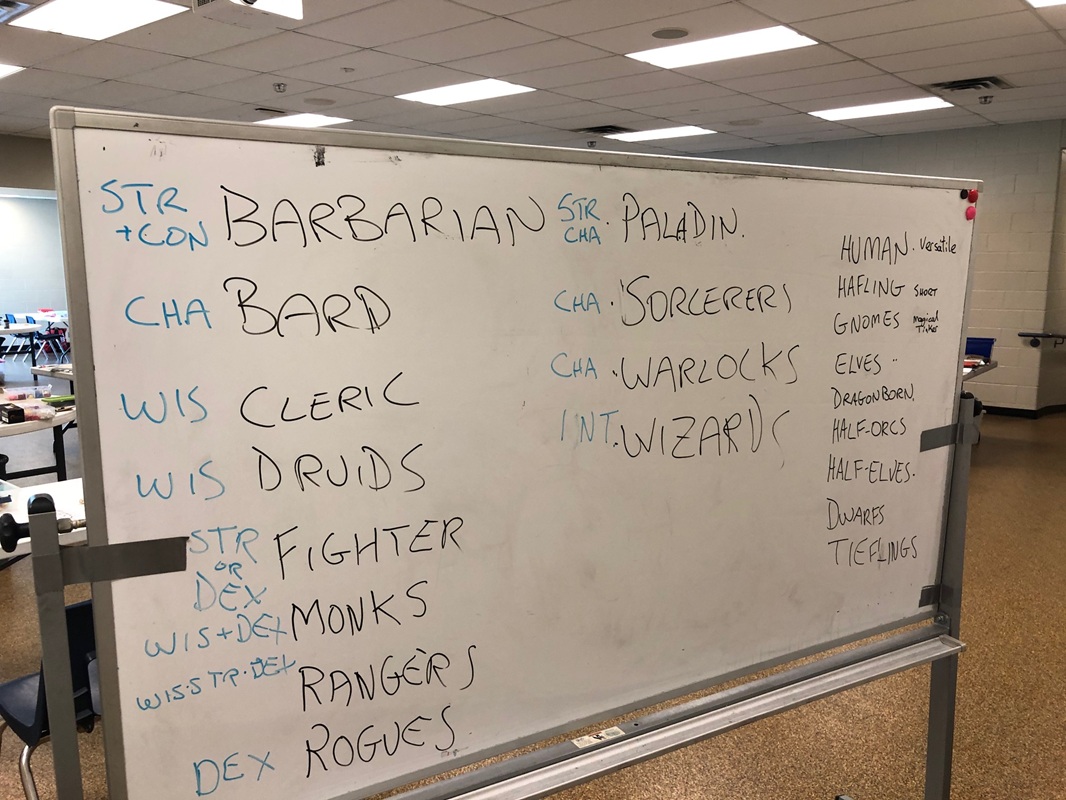
The character sheets we used to start with were very simplified, but for those interested a more standard character sheet was available. To get a feel for the combat system, we did a quick One Skeleton per Player theater of the mind style encounter. By the afternoon, we jumped into a simple scenario loosely reskin of Mork Borg – Rotblack Sludge – using the map and some of the features, but most of it repopulated with low level encounters and the grimdark removed.
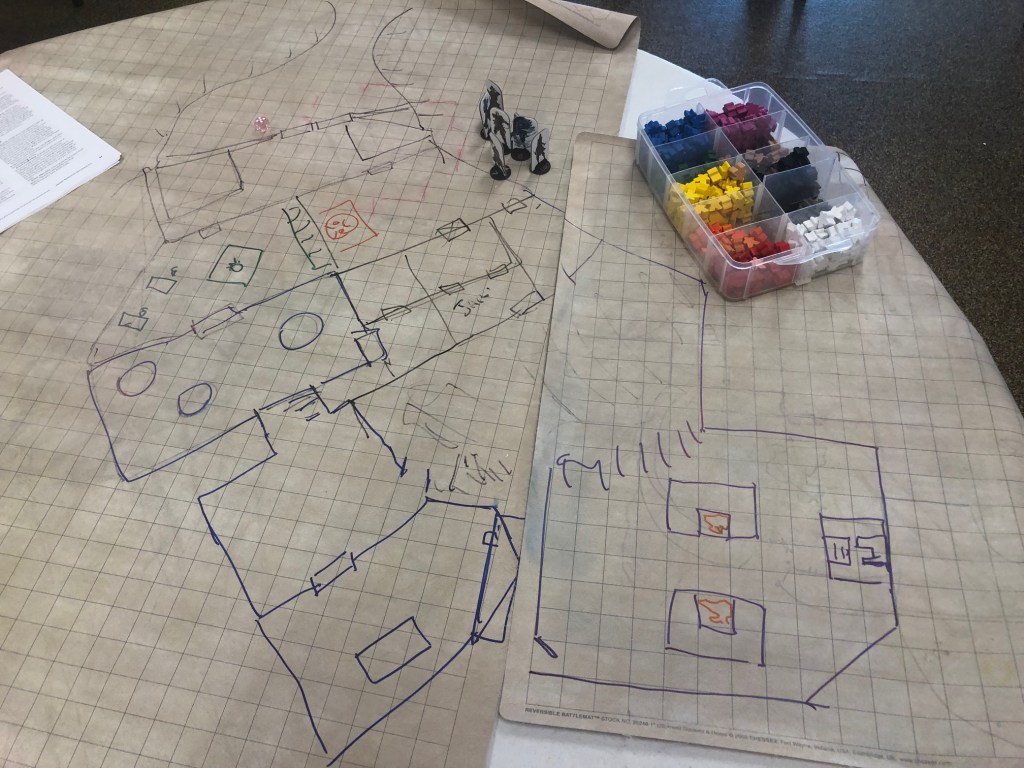
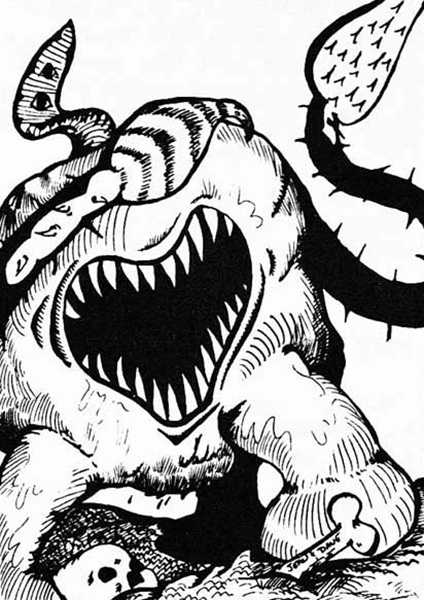
As there were still basically training wheels on, the generic enemies I used didn’t apply modifiers for damage or to hit. There were a couple of traps, secret doors, clues, and three exceptional creatures to encounter with additional abilities – a spell caster, a construct, and a pit monster that was powered down otyugh. The primary quest was to rescue an abducted prince (a mission that they were railroaded into but to kick off a one shot camp adventure, I stand by it as a valid choice) and a minor complication of the prince being brainwashed. Other prisoners were rescued, including a useful Town NPC who offered the party a discount at his adventuring gear shop, but the prince was killed off as just another cultist, and a mysterious map was looted off the enemy spellcaster.
For running things, we actively used an erasable map board for the action and a whiteboard where we were very open with creature stats of AC, hit points, and the damage they dealt. For the exceptional creatures, they discovered resistances and vulnerabilities as part of the encounter. Over the next couple of days, we still posted the AC and attack damages of the creatures but only hinted at the hit points as 20+ etc. and indicated when they were bloodied at half hit points. We also leaned heavily into the idea of “call your finishing blow” for reducing a creature to 0 hit points as part of lesson – “flavor is free”.
The day reminded me again of the range of player abilities, experience, and interests to encounter in the wild. It also refocused me on keeping things simple enough to get started with and layer on it the next day with another focus, like bonus actions and action economy. I’ve made some adjustments for the next time but I’m also expecting that like any adventuring party, they will zig when I planned for a zag.
Discover more from A Geek for All Seasons
Subscribe to get the latest posts sent to your email.

