
I’m a long time gamer and seen many a map. Recently experiences at a couple of tables have really highlighted how map expectations have changed over the years and gamer generations.

I’ve got fond memories of our DM describing the rooms of “from the door you enter, the wall goes 20 feet west, 30 feet north, 10 feet east around the balrog and then a 10 foot exit heading north, and another ten feet east and ten foot exit heading north, and ten feet east and 30 feet south and connecting west to the door you entered from. ” It was a language that developed short hand descriptions of common intersections and features, translated into gridded paper and erasable battle maps and the occasional hex map borrowed from Gladiator or Wooden Ships & Iron Men. Considering how the board from the classic Avalon Hill Outdoor Survival was often used for hex crawling adventures back in the Chainmail days of Dungeon & Dragons, it seems appropriate.
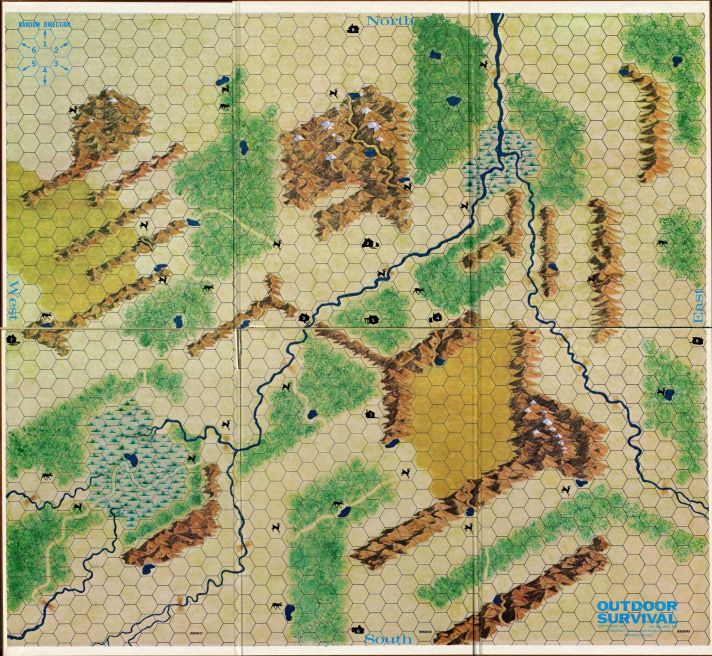
More recently, we grognards took a couple of new school gamers for a one shot of some basic 0D&D, with a 10 foot pole checking each step and the occasional fleeing from monsters distracted with eating a former party member. They found the mapping slow and ponderous, having experienced VTT platforms and DMs drawing out the scale maps for encounters. Another table I run for new gamers had similar struggles with following the description of the Wave Echo map of the 5E beginner adventure, Lost Mines of Phandelver.
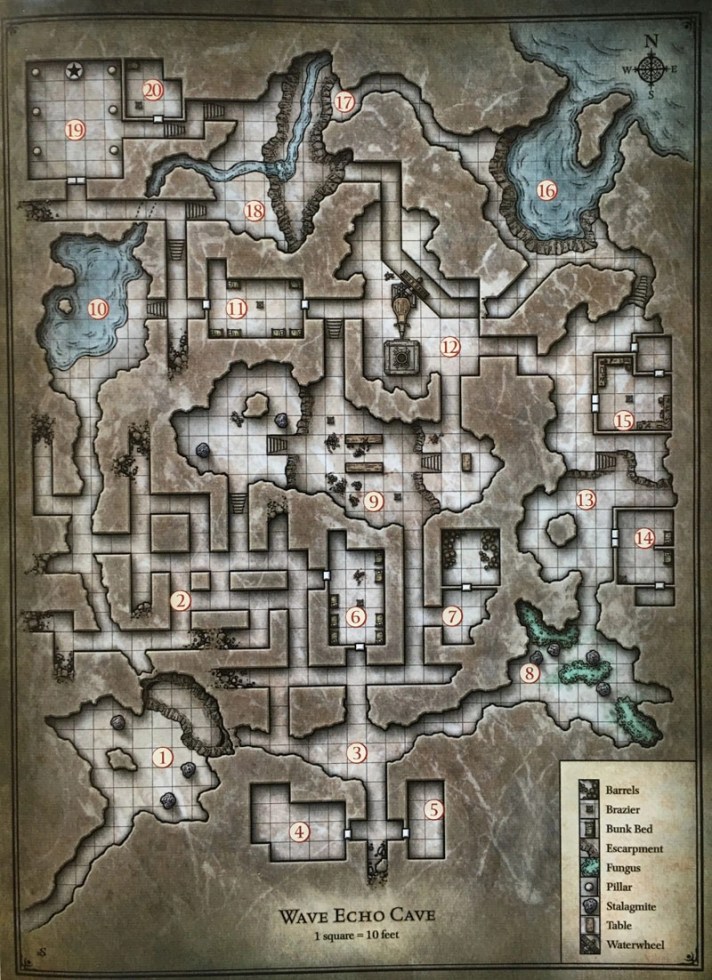
Comparing the maps from LMoP to those of Keep on the Borderlands and Caves of Chaos show a very different mindset. 5E isn’t without it’s crunchy and complex maps, just take a look at Dungeon of the Mad Mage or remakes of older adventures like Tales of the Yawning Portal. Modern asthetics seem to favour a clean 5 to 10 room dungeon per level, compared to the tightly packed grid maps of old. I admit, five room dungeon design is a beautiful thing and can easily be expanded to apply to chunks of dungeon, for which I’d say it could be argued that the Caves of Chaos does.
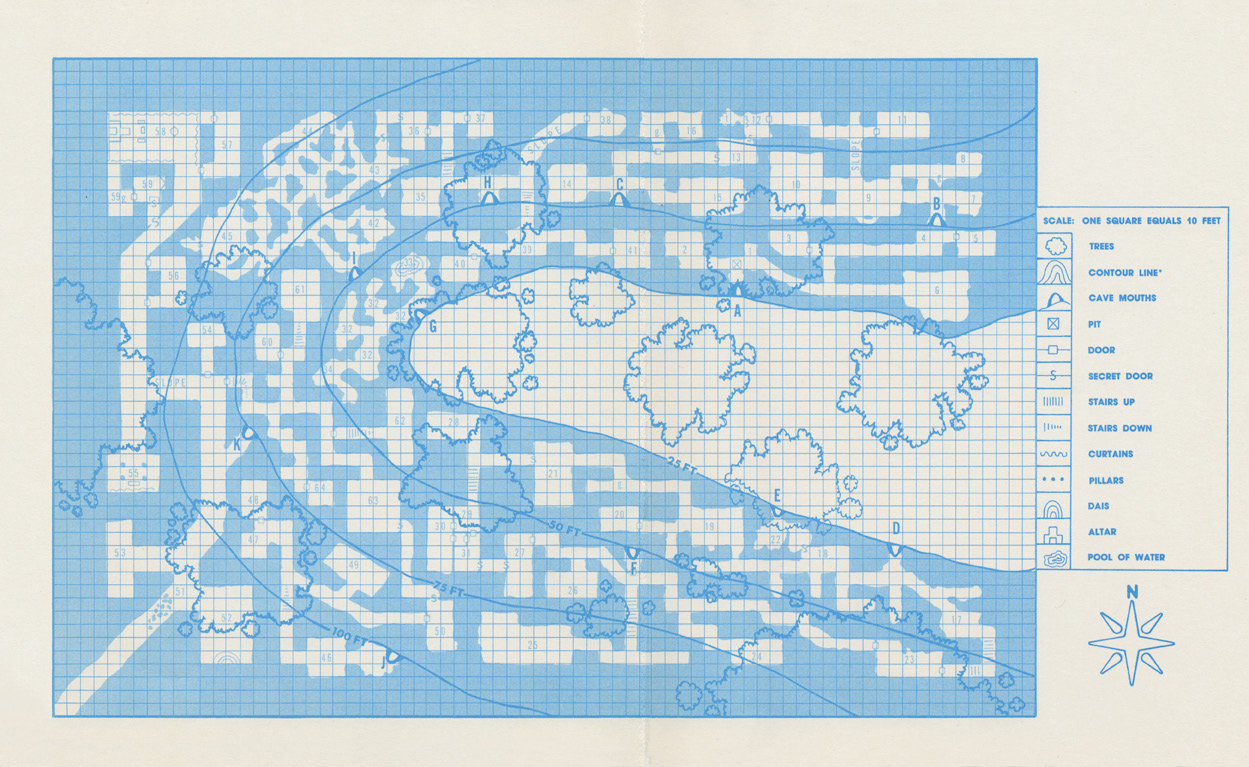

Keep on the Borderlands (1980) vs. Lost Mines of Phandelver
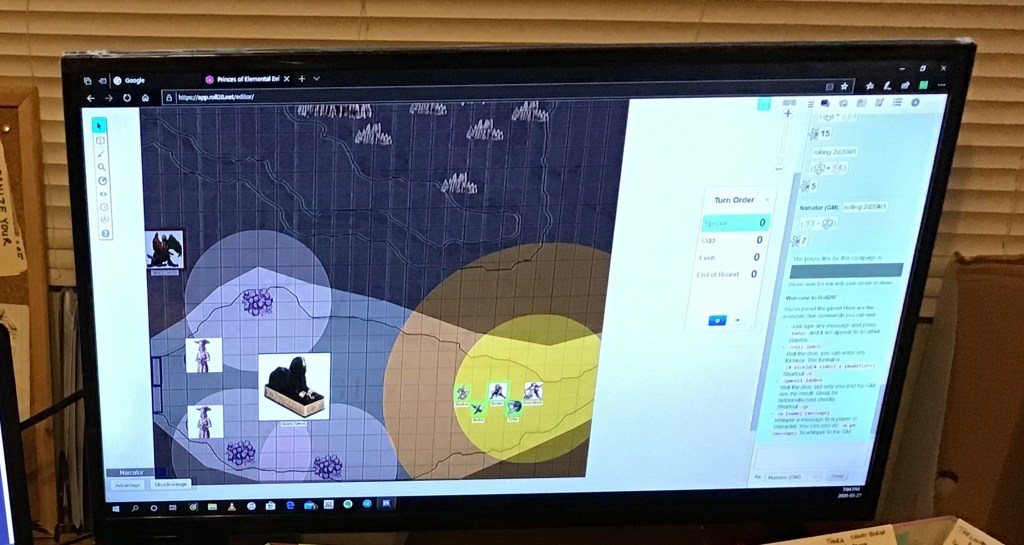
Even before the Plague Lockdown, I was at a couple of tables that were using some form of Virtual Table Top to display maps and plan tactical encounters with the benefit of measuring tools and premade templates for Area of Effect spells. There are many to choose from and each has strengths and weaknesses. One buddy simply laid a spare flatscreen television flat on the table that was usually scalled for us to place our minis on. My experience in setting such things up involved a lot of layering in of effects like lighting, doors, and barriers. It was far more time consuming than just scribling some lines on a hex map, particularly when attempting to squeeze an entire dungeon level into a single VTT screen.
Other systems have moved away from that, using either pure Theater of the Mind or the simplified method of Regions and Proximity. Fate was pretty freewheeling in defining the regions in terms of how far one could move or affect things. Modiphius 2d20 games like Conan 2d20 and Achtung Cthulhu 2d20 more clearly defined those regions, right up to weapon ranges being given in how many regions away one could attack, but the principle was still about simplifying through abstraction. Star Wars FFGS used proximity ranges, like “close”, “medium”, and so on and actions detailed how many steps closer or further you could in proximity. Mothership has proximity descriptiors but defines their range in more precise metres so one could apply more abstract distances or get crunchy and tactical. Mothership also famously uses very simplified dungeon maps, some being little more than 5 to 10 boxes with brief descriptions and lines indicating doorway connections and vent connections. I’ve done similar as a player trying to map out some dungeons more as mind maps and connectivity than a scale representation of the rooms with mixed results.
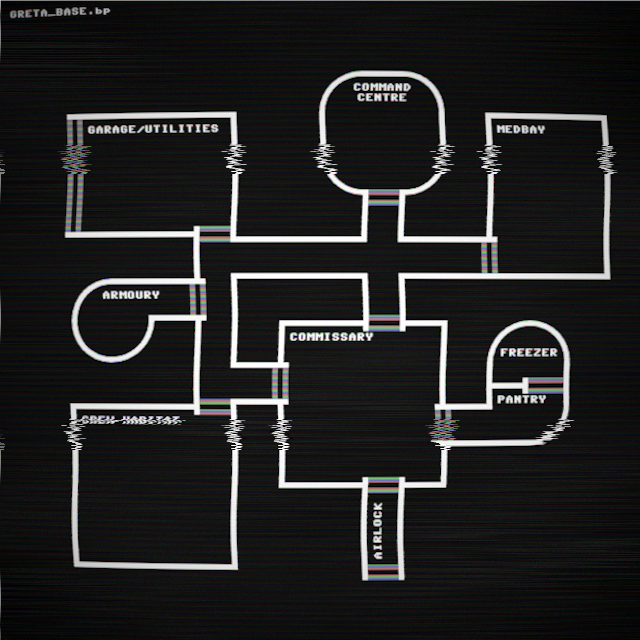

I’m gonna admit, I’m torn between the two. There is much to be said for an abstract representation of the spaces involved, providing players a much greater freedom to create details and dramatic actions. However the carefully measured maps of 10×10 ft squares that will reveal gaps that we can intuit missing rooms and potential secret doors. Road maps that we can calculate distances between locations and features, crunchy data that just doesn’t emerge from rough abstractions and the grognard desire for tracking how many iron rations must be consumed before we get to the Cavern of Skulls.
Then there is the subject of tactical maps for determining the number of creatures affected by a fireball or if one can manage to run the 30 feet and still hit an opponent or if there will be disadvantage on a ranged attack. I’ve already wound up diggign deeper into this for one post than I expected and have started pondering things in another draft for now.
What kind of big maps do you prefer – abstract or tactical grids?
Discover more from A Geek for All Seasons
Subscribe to get the latest posts sent to your email.
 A Geek for All Seasons