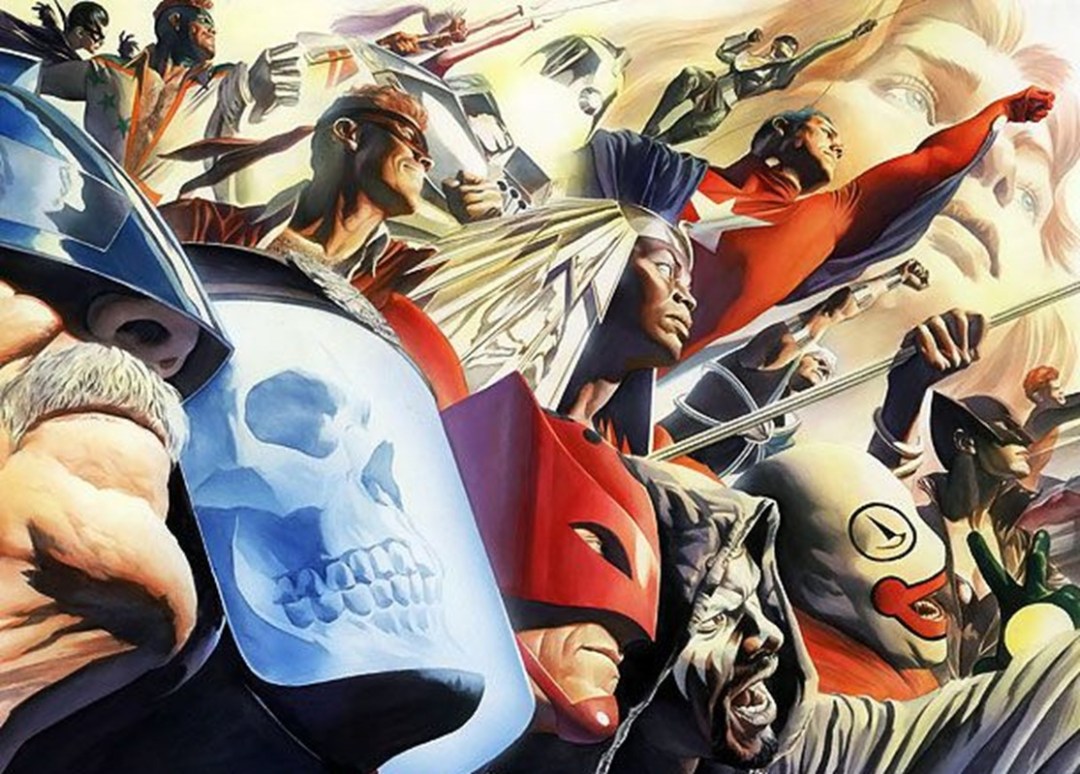
I recently picked up another trade paperback collection of Astro City, and as always, it led me to start re-reading the previous ones and start searching to see which volumes I was still missing. If you happen to be a fan of quieter comic stories, the ones that take a peek at the person behind the superhero, like the classic Teen Titans #50 – The Wedding of Donna Troy or Matt Fraction’s run on Hawkeye – My Life as a Weapon, then you should check out Astro City.
Created by Kurt Busiek, Alex Ross, and Brent Anderson, this series is such an homage to the genre, taking the characters we know and love and drilling a bit deeper, playing with the concepts that make them interesting. Busiek and Ross are right up there with Roy Thomas and Marv Wolfman as comic historians and fans, making them perfect for such an examination. Rather than exposing the gory guts of an Alan Moore deconstruction (see Watchmen, Miracle Man), they peel away layers of the super to get at the human, be they hero or villain or even the everyday folks that live side by side with the titanic four color battles and alien invasions. Even when there is two fisted action going on, the narrative takes the time to look at a day in the life of these heroes, villians, and civillians. This isn’t The Boys or Kick-Ass, using the grounding in reality as an excuse to show supers with warts and all. Even when they explore stories like that of a noir style villain trying to do some good, there are still notes of optimism that shine through.
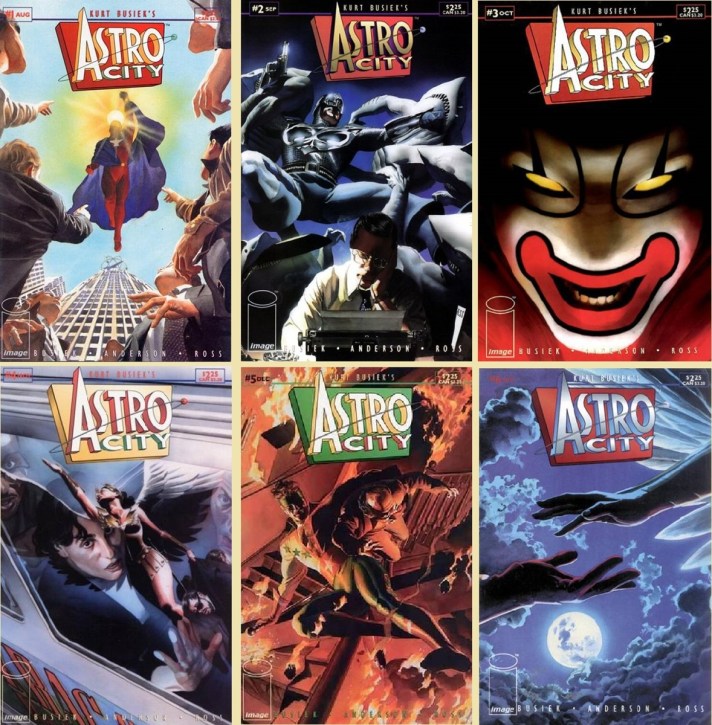
It’s difficult to talk much about the characters without giving away too many spoilers, but let it be said that these creators play with stories across the decades as needed, as we watch the arc of some characters and the legacies of others. The characters themselves are familiar, like the heroic trinity of Samaritin, Winged Victory, and the Confessor but they get to be more than just Superman, Wonder Woman, and Batman with the serial numbers filed off. There is no doubt that the First Family starts with the form of the Fantastic Four, but the story focuses on what it’s like to grow up as a child in a family of supers. (for another series that focused on the private lives, also see Superbia and Noble Causes – both pretty good)
Something I really like about the collected editions is the regular feature of character design sketches, watching the development of what could have just been a knock off and giving it something unique and flavorful. Alex Ross and his frequent use of photo references (take a look at some of his sketches in the back of DC Kingdom Come for some good examples) works great with Brent Anderson’s ability to capture personalities in his art, conveying not just emotion but also often having that look of an actor you probably know. Also, full props to the letters that have graced these pages, bringing to life the voices of the unusual.
Side note – The setting itself is full of nods to other comic creators, like Mount Kirby Planetarium and Fox-Broome University, feeling like a secret handshake or a conspiratorial wink from the creators who share in the ancient lore.
For the Gamer Eye
Astro City provides a rich source for inspiration for just about any superhero TTRPG, be it Champions, Mutants & Masterminds, DC Heroes, Silver Age Sentinels, and so on.
Champions in particular had a fantastic supplement (Strike Force, large chunks of GM advice was incorporated into the GM section of later editions) that addressed the less super but still dramatic side stories through something they called blue booking, named for the ubiquitous blue lab books. The core idea was that players and GM could track and develop the stories outside the two fisted heroics with minimal interupption of the social engagement around the gaming table.
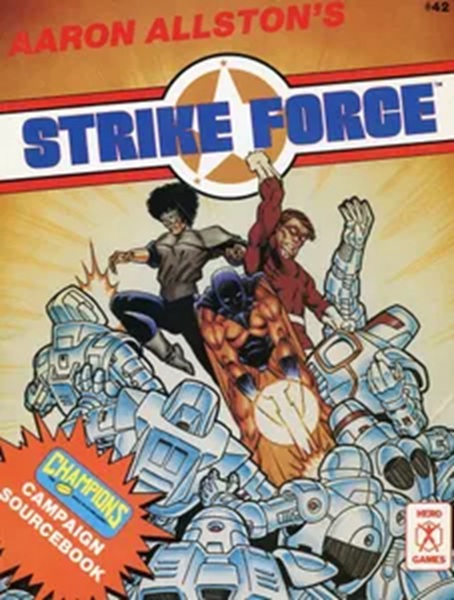
There’s a lot of other great things to say about Strike Force, including an overview of a multi year campaign with a breakdown of how the GM and the players handled changes in player interests and shifts in the scope. I also recommend this early look at players differ in how they approach a game, something Robin Laws and others have written much about; is the player all about being a combat monster who loses interest when there isn’t something to hit, or are they all about NPC interaction, or maybe their whoe thing is about how super skilled they are – what hooks draw them in and some suggestions on how to expand their engagement.
Discover more from A Geek for All Seasons
Subscribe to get the latest posts sent to your email.
 A Geek for All Seasons