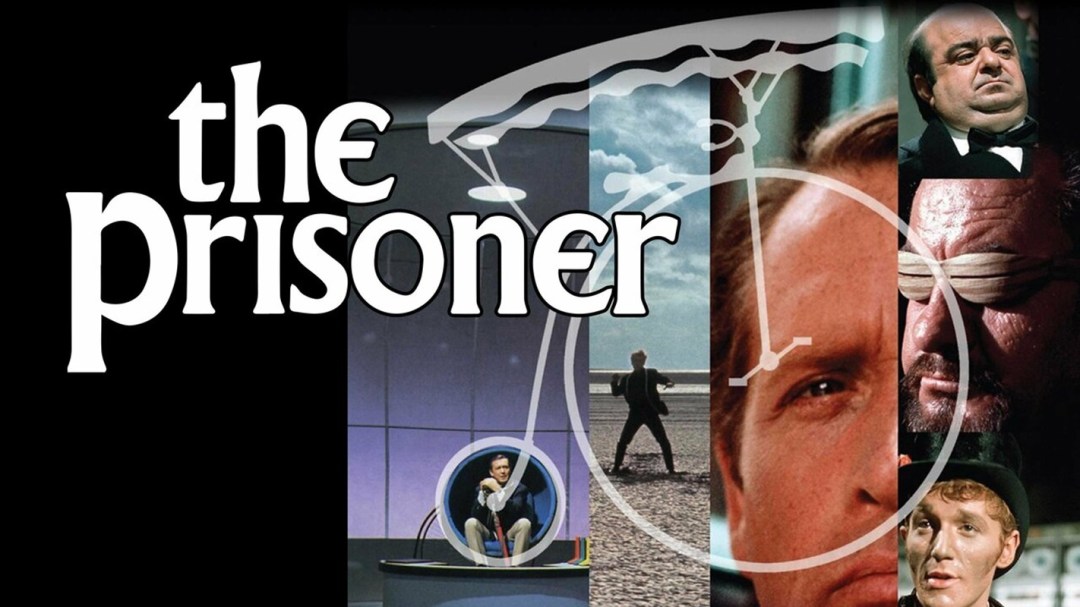
It was surreal, subversive, and followed the struggles of a secret agent against an unsettling setting. There was little overt action, more mind games and uncertain alliances where the agent dared not make assumptions about the shifting loyalties and hidden agendas of those surrounding them. In each episodes themes of identity and control played out, pitting the individual against the organization. They have no name, only an assignation.
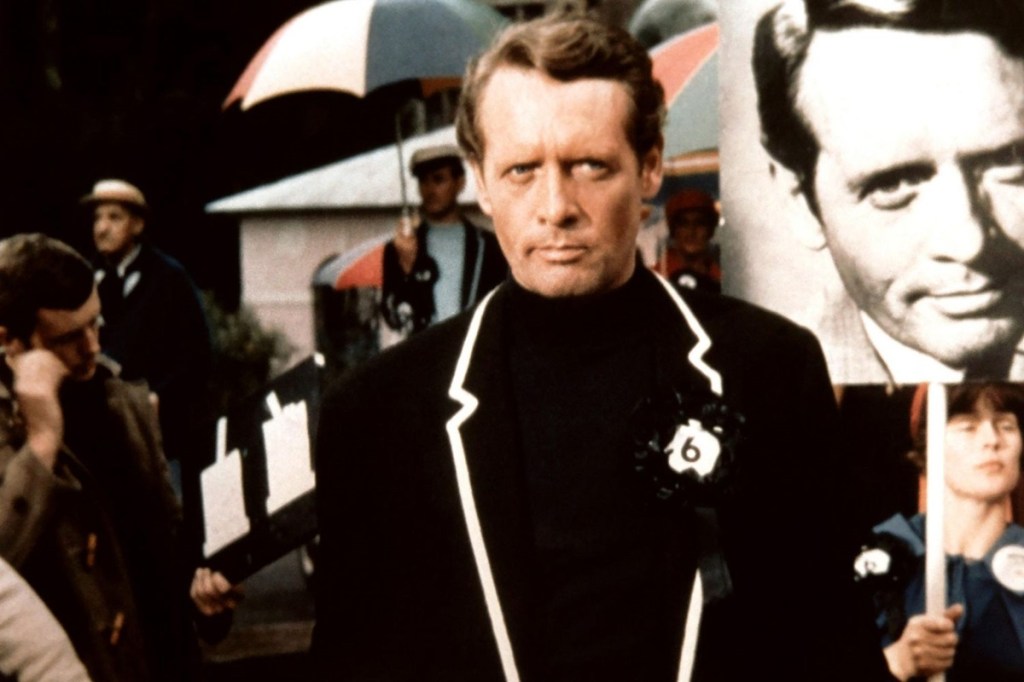
The Prisoner is a 1960s counterculture pop psychology cult phenomenon. It came on the heels of a secret agent tv series, Danger Man, but it didn’t play out as an action thriller. The Secret Agent quits the Organization with no explanation, only to find himself gassed and transported away to the Village where there are no names and only numbers. He is Number Six. He finds a few faces that he recognizes, but no answers. Is it a place for disposing those with troublesome knowledge or something even more sinister? Number Two time and again attempts to break Number Six, to get at the truth of why the agent quit, by hook or by crook to gain that information. From drug induced dream inception to mind controlled sleeper agents to sonic lobotomies, Number Six is subjected to all manner of sci fi techniques but proves more cunning and psychologically durable than the best efforts of Number Two.
The visual are iconic as is the dialogue, mantras like “Be seeing you,” that carrying an underlying bite in context. Number Six frequently twists the words of Number Two like a knife. The acting may at times be heavy handed but it still does the job. Meanwhile the script itself will often really make the veiwer put in some work to make sense of it.

Bookended by the first and last episodes of “The Arrival” and “Fallout“, the individual episodes have little apparent continuity. Some episodes focus on Number Six attempting to escape the Village. In “Hammer into Anvil” his only plot is one of cruel justice against Number Two while in “It’s Your Funeral” he races to save Number Two from assassination. Even the role of Number Two changes with each episode. It’s a hodge podge of plots and only the bare bones of the Village and setting remain constant across the series. The outcome of the final episode is still hotly debated by the fans, as are many of the details like why there are so many Number Twos.
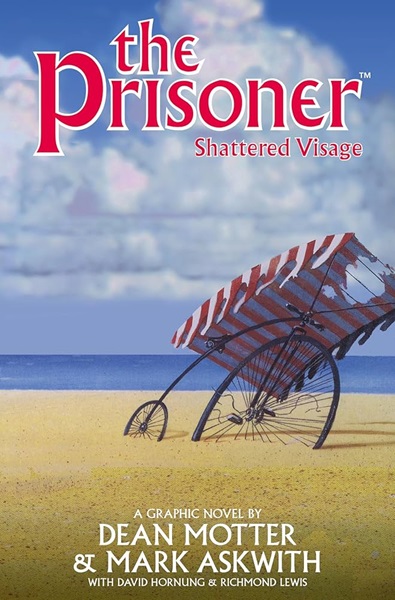
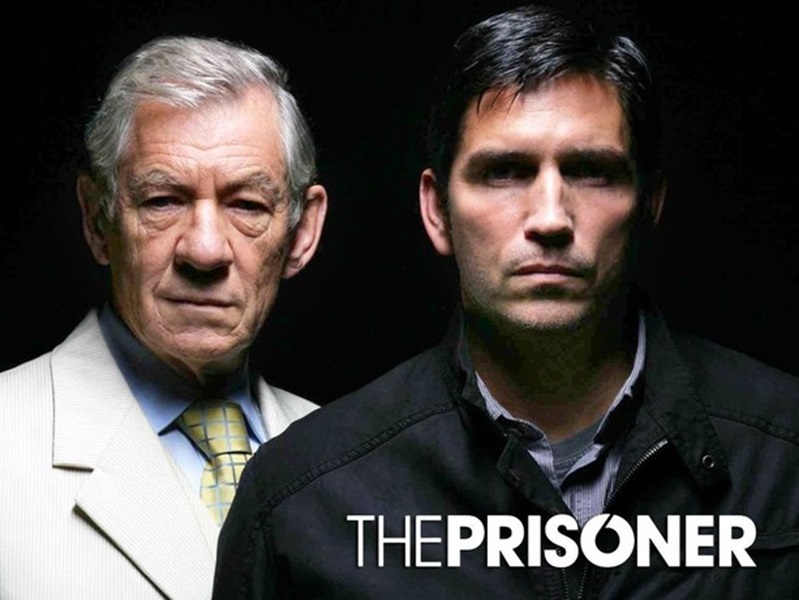
There was a few comic book adaptaions and a sequel of sorts where a broken Number Six now haunts the village. There was even a reimaging of the show in 2009 but in my humble opinion it attempted to focus more on the surreal than the struggle. While I was recently rewatching the original series, I was suddenly struck by how I was reminded of another series of surreal spies and non linear sequencing – Aeon Flux.
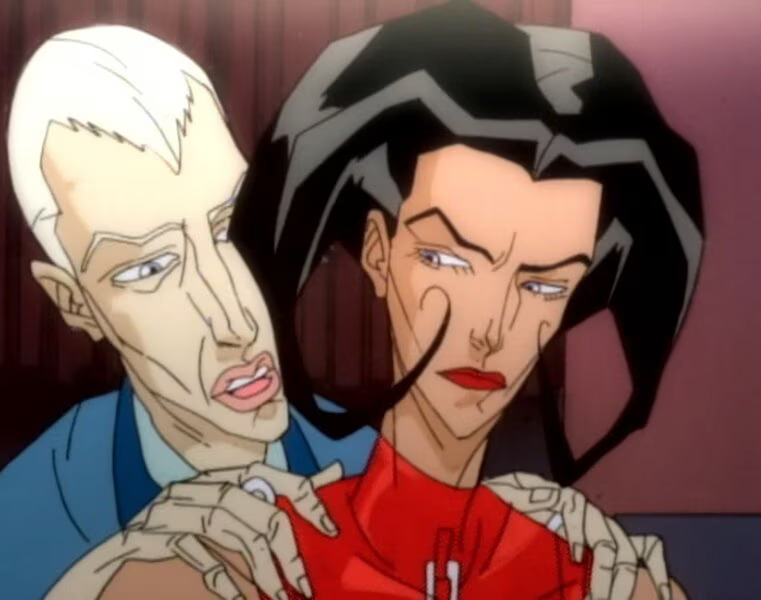
Aeon Flux has had many faces. It started in 1991 as a hyperstylized animated series from creator Peter Chung (he’s worked for Hanna-Barbera, Ralph Bakshi, Disney, Nickelodeon, to name a few). One spy, Aeon, carries out missions, often being entangled with lover and nemesis Trevor Goodchild. All manner of strange mind and body altering technology is employed in a dystopian setting of two societies locked in a cold war. Minor spoilers – Aeon dies at the end of season 1. The next season she’s brought back and killed, repeatedly. Themes of individuality and totalitarianism play out in the background, a love child of 1984 and fever dreamed anime MTV with it’s fair share of Moebius and William S. Burroughs, but it was more cynical and satire than seriousness in tone. Each episode stood on it’s own, in it’s own way. The veiwer got dropped with minimal framing, creating meaning from these brief exploits (the original series was broken into episodes of a few minutes each).
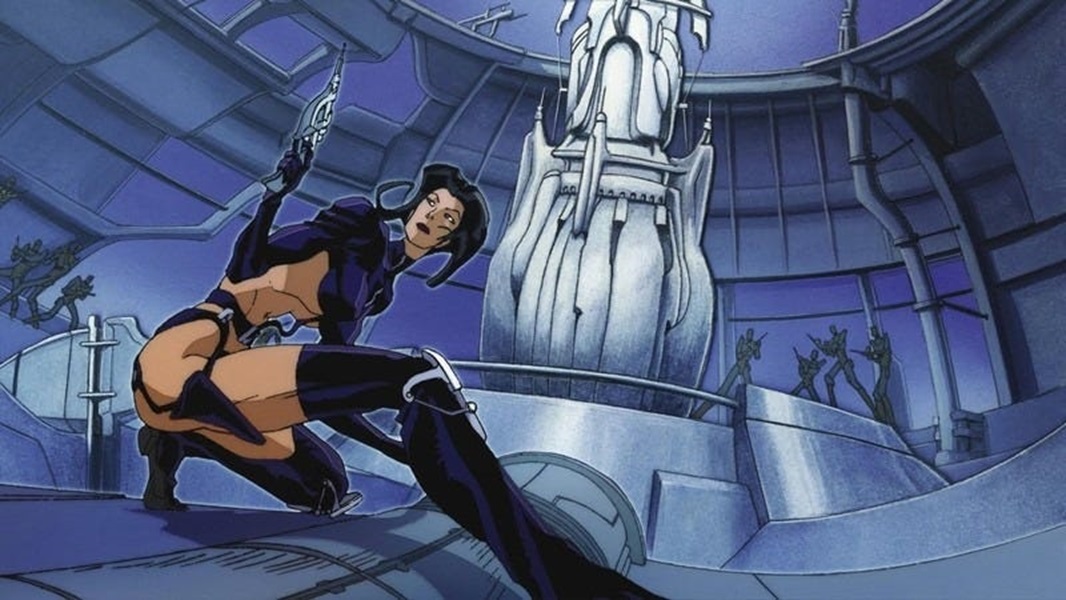
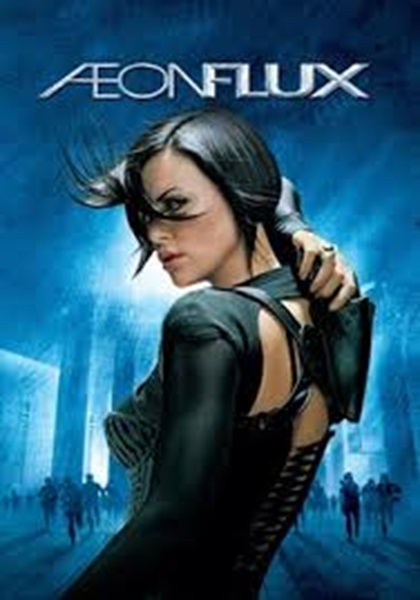
There were two more seasons, comics, and a live action feature movie that followed. I admit, I did enjoy the movie for what it was – cool action and sci fi setting. It brought forward a select number of elements from the source material, like names and espionage and gadgets and even how one could die and be reborn many times (though very different from the orginal on that point) but missed so much of the original intent that fans panned it, the star hated it, and Peter Chung called it a travesty for how much it had been softened for a wider audience. Still, at the heart there was a single individual struggling against a sci fi setting that demands obedience. She, like Number Six, is still a Prisoner in a world not of her making.
For the Gamer Eye
Over the Edge was a surreal RPG of conspiracy and improvisation mechanics, very much at the leading edge of post modern RPGs. To little surprise, Robin Laws and Jonathan Tweet created it, with a stripped down dice mechanic and more role play and less roll with rules that continue to be hallmarks of Laws and many other games of more style and less structure. The setting would fit The Prisoner, Aeon Flux, Brazil, and maybe even the under appreciated Equilibrium (basically Fahrenheit 451 but with Gun-Kata martial arts and costume design from The Matrix).
Paranoia has gone through many incarnations over the years, but it’s still rooted in conspiracies, secrets, and a comically messed up society worthy of Brazil and Catch-22. The action is more on the comedic side but there is plenty of character clones to make leathal mistakes and still come back for more.

Discover more from A Geek for All Seasons
Subscribe to get the latest posts sent to your email.
 A Geek for All Seasons